Use this Ranger solo guide to plan a speed-focused Task Bar Hero build around movement speed, attack speed, first-hit damage, survivability, and farming tradeoffs.
Last reviewed: 2026-06-03. This is an unofficial fan guide; check the latest update state and in-game behavior before acting on expensive items.
IntentAdvanced route
What Ranger solo is trying to solve
Ranger solo is not a beginner default. It is a speed-first plan for players who already have enough gear support to let Ranger move ahead, attack first, and clear before enemies punish the run.
Move firstHit firstAvoid slow formation
Use it when a normal party clears too slowly or loses tempo against ranged enemies.
Do not use it to hide weak gear, low survivability, or missing rune progress.
StatsSpeed + damage
Core stat priority
The build needs movement speed first, attack speed second, and enough damage to finish enemies before their dangerous actions matter. Survivability still matters because one stray hit can end a solo route.
Movement speedAttack speedDamage
Movement speed keeps Ranger from losing the first-action advantage.
Attack speed makes the opening damage window reliable.
Damage and HP decide whether the route survives bad rolls or unavoidable hits.
MaterialsBilingual chart
Attack speed materials to check
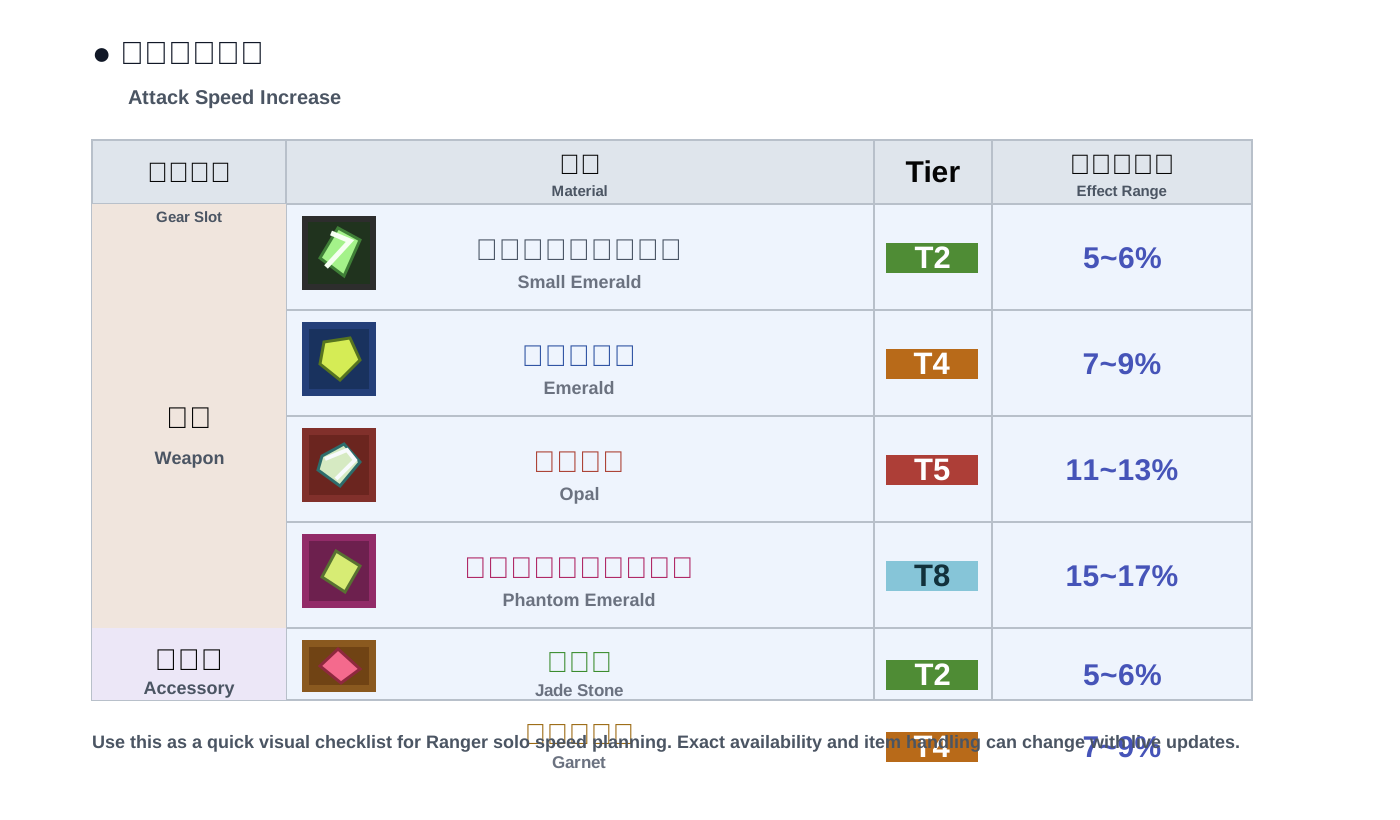
For weapon-side attack speed, check Small Emerald, Emerald, Opal, and Phantom Emerald tiers. For accessory-side attack speed, check Jade Stone and Garnet. Use the image above as a visual checklist before spending rare material.
Weapon gemsAccessory gemsEffect range
Higher tier materials give larger attack speed ranges, but cost and availability matter.
Do not upgrade a market-facing item blindly if the same item may need sockets, engraving, or listing review later.
TimingUse case
When to try this build
Try Ranger solo after your normal party has already proven that the stage is reachable, or when a late difficulty stage punishes slow formation and your Ranger gear can support a fast opening.
Fast farmingLate pushRanged pressure
Good sign: Ranger reaches enemies first and kills before the backline would normally be threatened.
Bad sign: Ranger survives only by luck or needs many retries to pass the same stage.
RiskProgression cost
Main tradeoffs
Solo routes concentrate experience on Ranger and can leave Knight, Priest, Hunter, or Sorcerer behind. If your next wall needs a full party, switch back to party farming before the roster gap becomes expensive.
Solo XPRoster gapParty walls
Use the build as a tool, not a permanent replacement for party progression.
If Ranger slows down, rebuild the party instead of forcing the solo route through every wall.
If the gear requirement is too high, use Priest + Ranger + Sorcerer for fast safe farming or Knight + Hunter + Priest for boss pressure. Those builds are slower, but more forgiving.
Farm partyBoss partyMore forgiving
FAQ
Quick answers
Is Ranger solo the best build for every player?
No. Ranger solo is an advanced speed build. It can be excellent when gear, movement speed, attack speed, and damage are ready, but beginners should still use stable party builds when survival is the main problem.
Why does Ranger solo work?
The idea is to move quickly enough to keep tempo, then hit enemies before ranged attacks or dangerous waves can fire. Party members can slow the pace if the group waits for formation.
What is the main downside of Ranger solo farming?
Experience goes mainly to Ranger, so the rest of the roster can fall behind. Use it as a targeted farming or pushing tool, not your only progression plan.